


Arts, Crafts, & Culture
Art in India has been synonymous with life, enmeshed into the daily existence of every individual born into this culturally rich and diverse land, long before written history became fashionable.
Expanded economic presence in Russia’s Far East
India is planning to bolster its econmic prescence in Russia’s Far East.
Continue readingMultipronged foray to meet 2030 sustainability goals
Indian handicrafts, each piece is a work of art
Continue reading


Art in India has been synonymous with life, enmeshed into the daily existence of every individual born into this culturally rich and diverse land, long before written history became fashionable. The people born into this land developed alternative means of expressing themselves not only to record their stories, important events and their collective past, but also to embellish and enhance the simple objects of daily life. The range of material used to create art in India traverses the gamut from mud to metal; each medium handled in a unique, locality specific technique that evolved to best express the talents and needs of the people of that area. With royal patronage over millennia, artistic growth blossomed in a dynamic and competitive environment, with the highest standards of knowledge set for the King. The King, as patron was expected to know and critique the sixty-four mainstreams of the Arts and often was an artist himself.
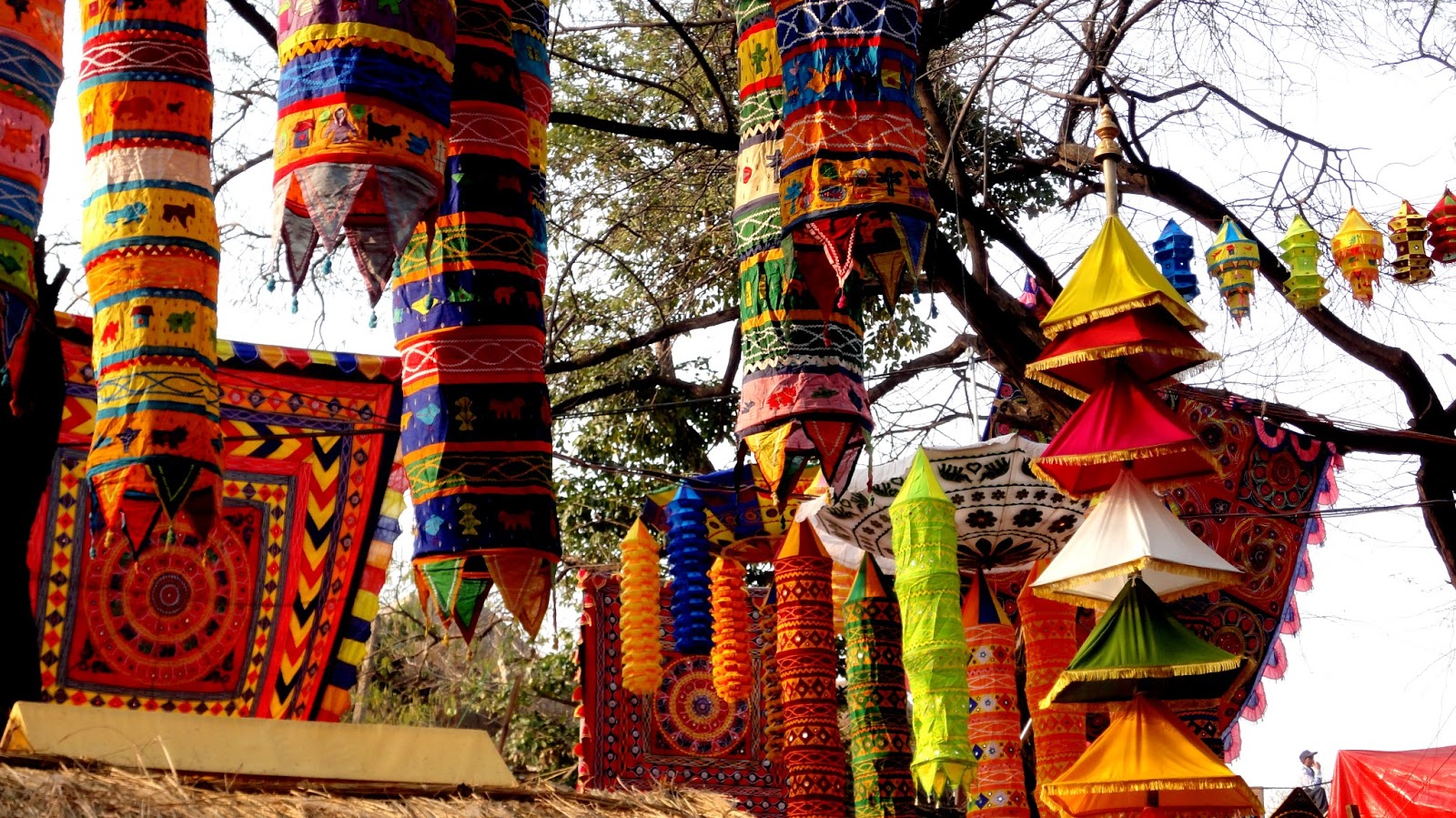
Decorational art from Uttar Pradesh

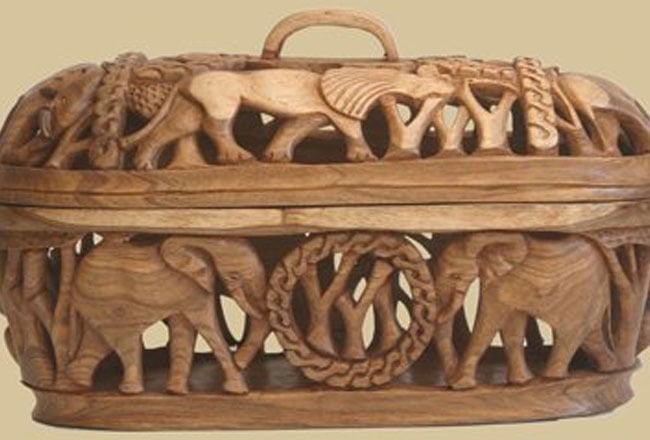
Carved and painted wood from Uttar Pradesh


No other country has a diversity of technique and expression as India and her people. While the techniques of traditional “craft” handed down generations by the master craftsmen continues to date, the art, __expression through these channels, continue to evolve and adapt to changing times. With a tenacity of endurance, such “folk art” has found its way into the voice and expressions of contemporary artists who paint and sculpt following the traditions of the West.
Each state in India has its own set of arts, crafts, and literature influenced by local conditions, materials, interests, and sponsors. Artists and craftsmen were sponsored by rulers and merchants. They followed a system where those desiring art went to where the artists live. Hence, rural India, rich in history and culture, has art embedded in daily life.
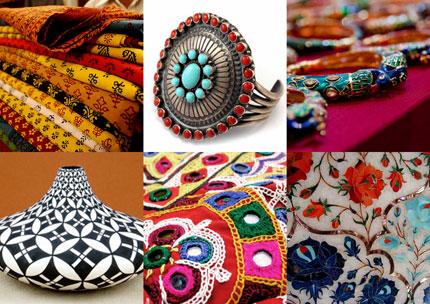
Artists work on metals (gold, silver, copper, brass, zinc), cloth (cotton, silk, wool), animal products (leather, bones), plant materials (wooden and pulp paper, leaves, wood), stone (granite, marble, sandstone, limestone), etc mainly based on what is available locally. Painting, sculpting, carving, weaving, printing, sewing, etc. are only some examples of the wide variety of arts and crafts of India.




About
Art in India has been synonymous with life, enmeshed into the daily existence of every individual born into this culturally rich and diverse land, long before written history became fashionable.